
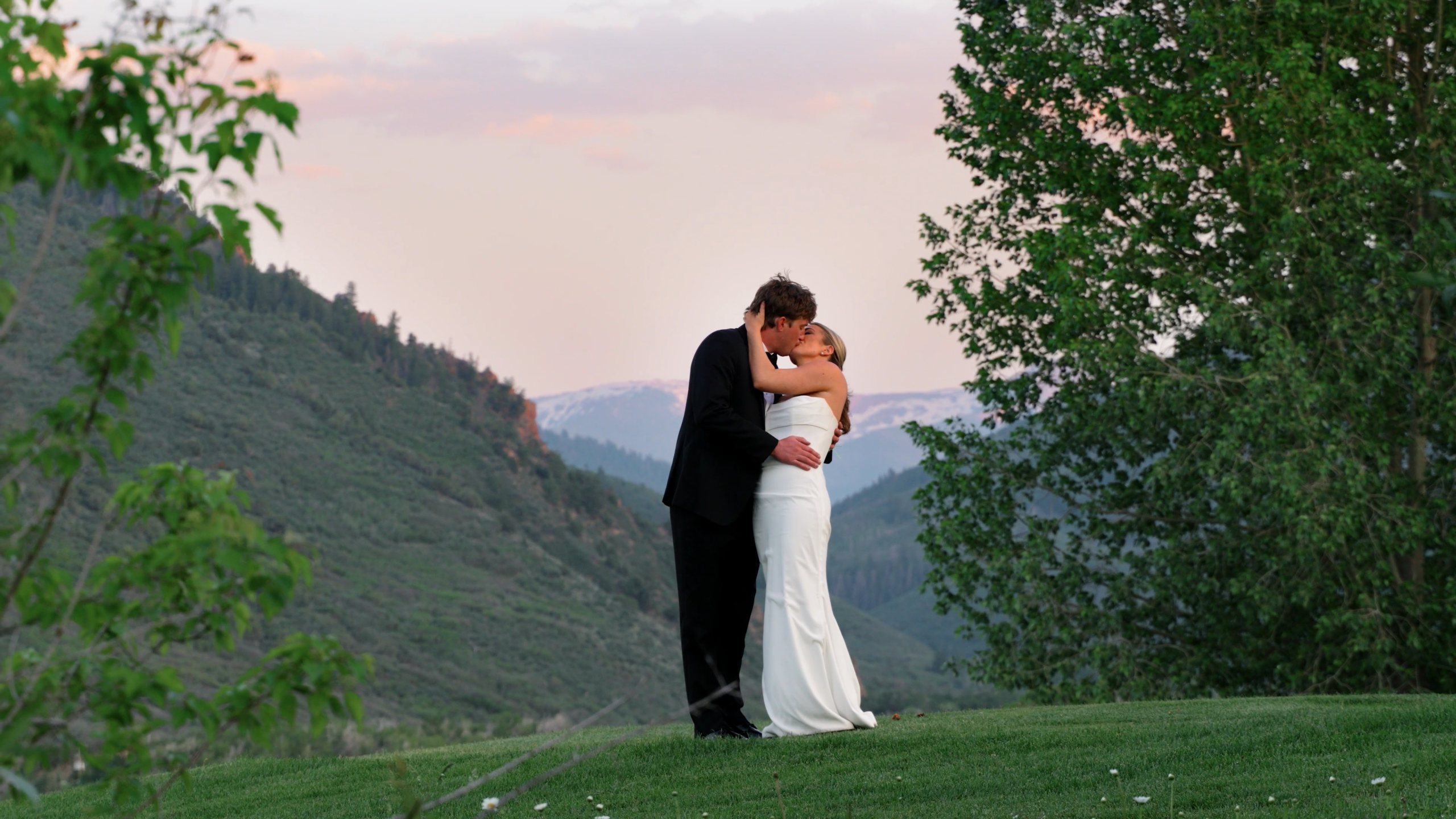
Wedding Day Timeline With a Videographer (Colorado Edition)

One of the most overlooked parts of wedding planning is the timeline — specifically, how it affects your wedding film.
Couples often ask us, “How much time do we really need with a videographer?” or “What moments matter most to capture?” The truth is, a thoughtful timeline doesn’t just make your day feel smoother — it directly impacts how your wedding film looks and feels.
After filming weddings across Colorado, Texas, North Carolina and many other destination weddings, we’ve learned exactly where time matters most, where you can simplify, and how to build a timeline that allows you to stay present while still preserving your story.
This guide walks through a wedding day timeline from a videographer’s perspective, with special considerations for mountain and outdoor weddings.
Why Your Timeline Matters for Wedding Videography
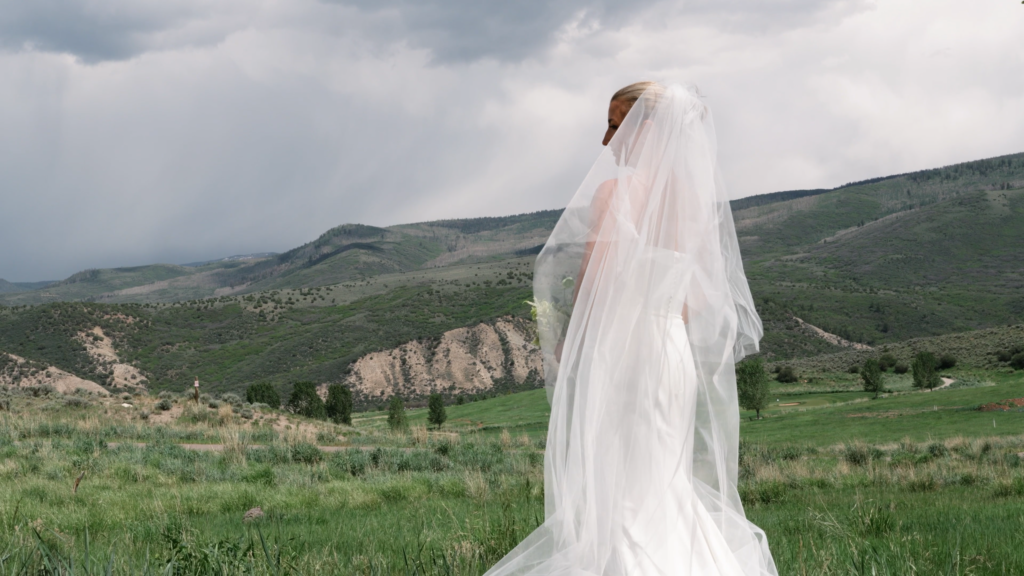
A rushed timeline often leads to:
- Missed moments
- Stress during emotional parts of the day
- Limited creative flexibility
- Fewer natural interactions captured on film
A well-paced timeline, on the other hand, allows your videographer to:
- Capture moments as they naturally unfold
- Record clean audio without pressure
- Tell a cohesive, emotional story
More time doesn’t mean more posing — it means more breathing room.
Getting Ready: Don’t Rush the Beginning
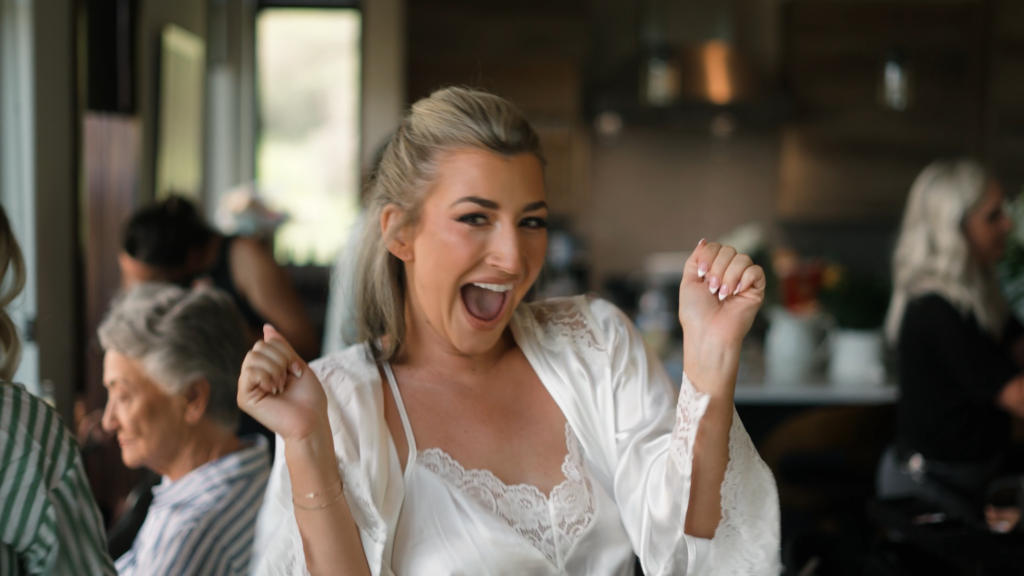
Getting ready coverage sets the emotional tone for your film.
This portion often includes:
- Final details
- Quiet moments with close friends or family
- Letters or gifts exchanged
- Nervous excitement before the ceremony
We recommend allowing at least 60–90 minutes for getting ready coverage if this part of the story matters to you.
Mountain weddings often involve multiple locations, so factoring in travel time here is especially important.
First Look vs No First Look (From a Video Perspective)
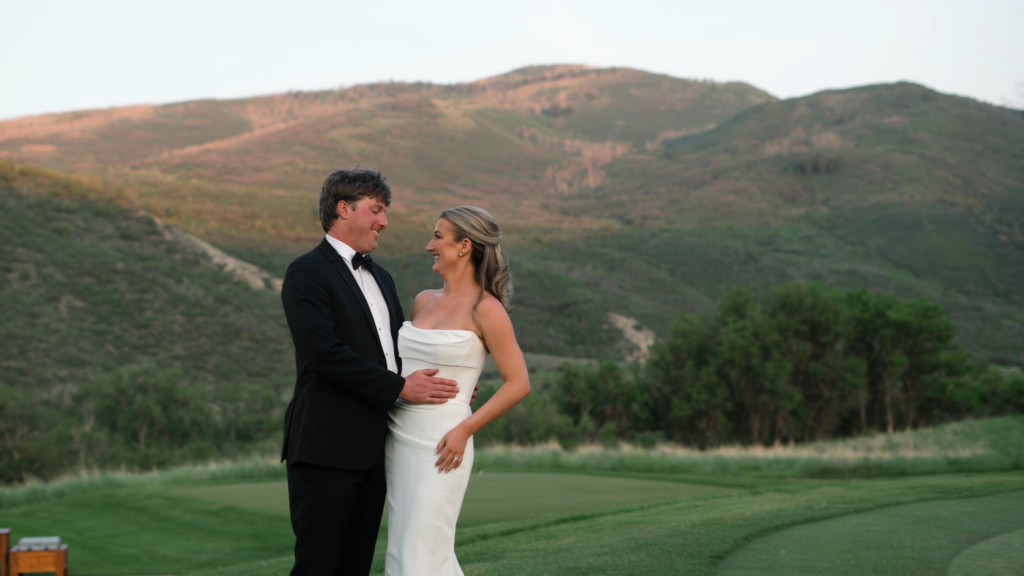
There’s no right or wrong choice — but the decision affects your timeline significantly.
With a First Look
- Allows for more relaxed filming earlier in the day
- Creates private, emotional moments on film
- Often frees up time later for sunset or cocktail hour
Without a First Look
- Builds anticipation for the ceremony
- Requires tighter scheduling later in the day
- Leaves less flexibility if things run long
If you’re unsure, we recommend choosing the option that allows you to feel most present — the film will follow.
Ceremony: Audio Is Everything
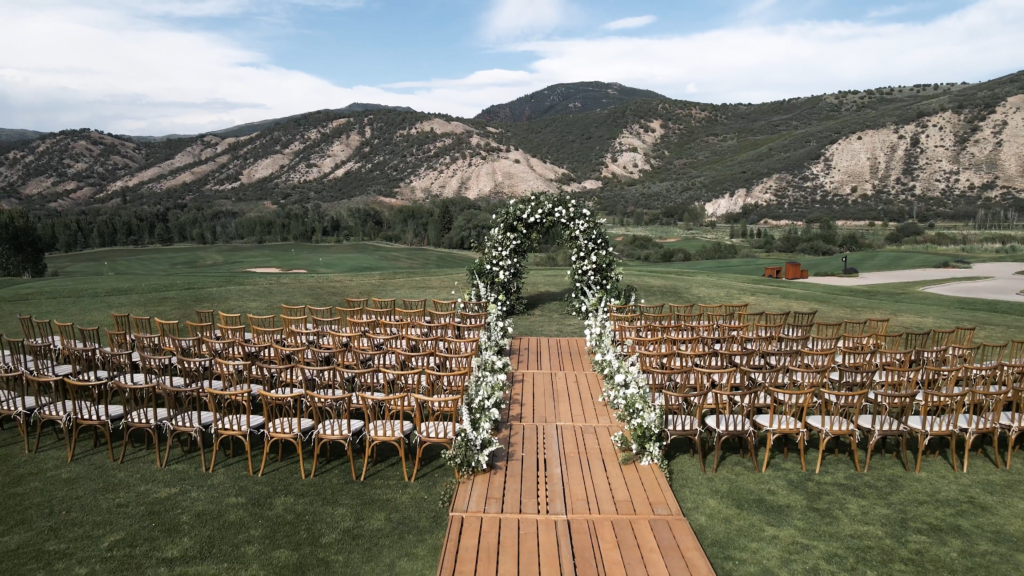
From a videographer’s standpoint, the ceremony is about more than visuals — it’s about sound.
Your vows, readings, and reactions are central to your film. A calm, well-timed ceremony allows us to:
- Set up multiple audio sources
- Capture natural reactions
- Film from multiple angles without distraction
Most ceremonies run 20–30 minutes, which works beautifully for storytelling.
Cocktail Hour: A Hidden Opportunity
While you’re often taking photos during cocktail hour, this time is incredibly valuable for video.
We often use this window to:
- Capture candid guest interactions
- Film wide establishing shots of the setting
- Record natural moments that add texture to your film
If your timeline allows, even 15–20 minutes of overlap between photo time and cocktail hour can make a big difference.
Sunset & Golden Hour (Especially Important in Colorado)
Colorado light is one of the most beautiful — and unpredictable — elements of mountain weddings.
Golden hour often creates:
- Softer, cinematic light
- Slower, more intimate moments
- Stunning landscape shots
We always recommend protecting 10–20 minutes around sunset, even if it’s brief. These moments often become some of the most memorable parts of the final film.
Reception: Prioritize the Moments That Matter
From a videographer’s perspective, reception coverage focuses on emotion and energy.
Moments worth prioritizing:
- Entrances
- First dances
- Parent dances
- Toasts
- Open dancing with friends and family
If speeches are important to you, schedule them earlier in the reception when energy is high and guests are attentive.
How Timeline Impacts Coverage Hours
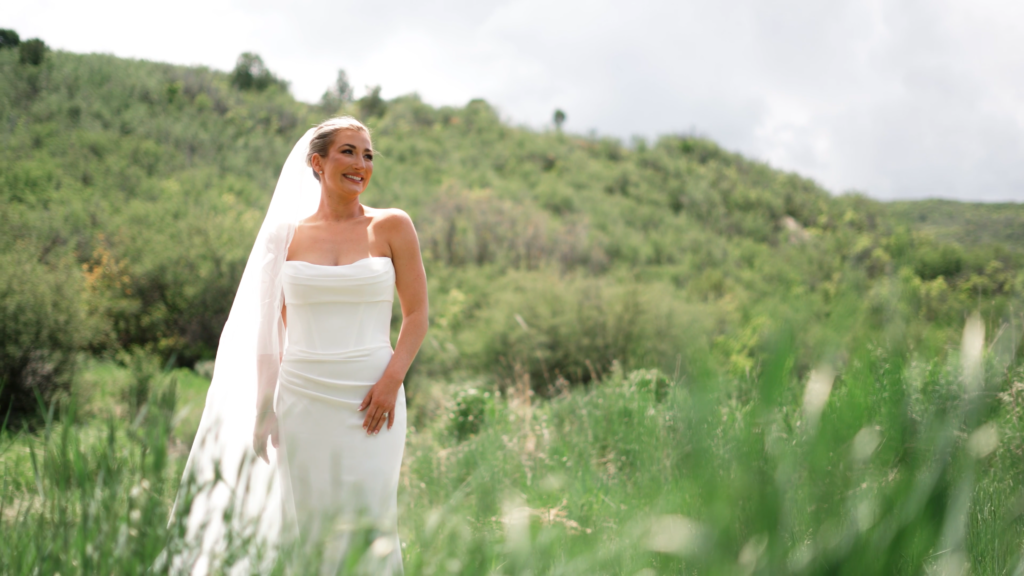
Timeline planning and coverage hours are closely connected.
If you’re weighing wedding videographer cost, remember that longer coverage often isn’t about filming more — it’s about filming better.
A timeline with:
- Multiple locations
- No first look
- Long gaps between events
…often benefits from additional coverage hours to avoid rushing.
Most couples find it helpful to review different wedding videography packages once their timeline starts to take shape.
Common Timeline Mistakes to Avoid
A few things we see often:
- Underestimating travel time in mountain locations
- Packing too many events into one window
- Leaving no buffer for emotional moments
- Scheduling sunset portraits during dinner or speeches
A little flexibility goes a long way.
A Simple Sample Timeline (Flexible Example)
Here’s a general example for a relaxed, full wedding day:
- Getting ready: 1:30–3:00 PM
- First look / portraits: 3:15–4:00 PM
- Ceremony: 4:30 PM
- Cocktail hour: 5:00–6:00 PM
- Sunset portraits: 6:30 PM
- Reception events: 7:00–9:30 PM
Every wedding is different — this is just a starting point.
Final Thoughts
Your wedding timeline isn’t about perfection — it’s about presence.
The best films come from days that feel unhurried, intentional, and true to you. When your timeline supports that, your videographer can focus on what matters most: capturing your story honestly.
If you’re still deciding how much video matters to you, stepping back to ask is a wedding videographer worth it can bring clarity before locking in your plans.
If you’re planning a Colorado or destination wedding and want help building a timeline that supports both your experience and your film, we’re always happy to talk things through.
No pressure. Just guidance.
Because the moments you remember most often happen in between.


Be the first to comment